Family Roots
Dirt Napp stands at the threshold of a silence that outlived everyone. The old family home—abandoned since his grandmother’s death—holds the weight of all that was left behind. Presence hums in the air, caught in the faded patterns and the quiet geometry of rooms meant for memory. He never knew her. Not really. But each door he opens is trailed by stories, inheritance written into the dust.
The House That Remembers
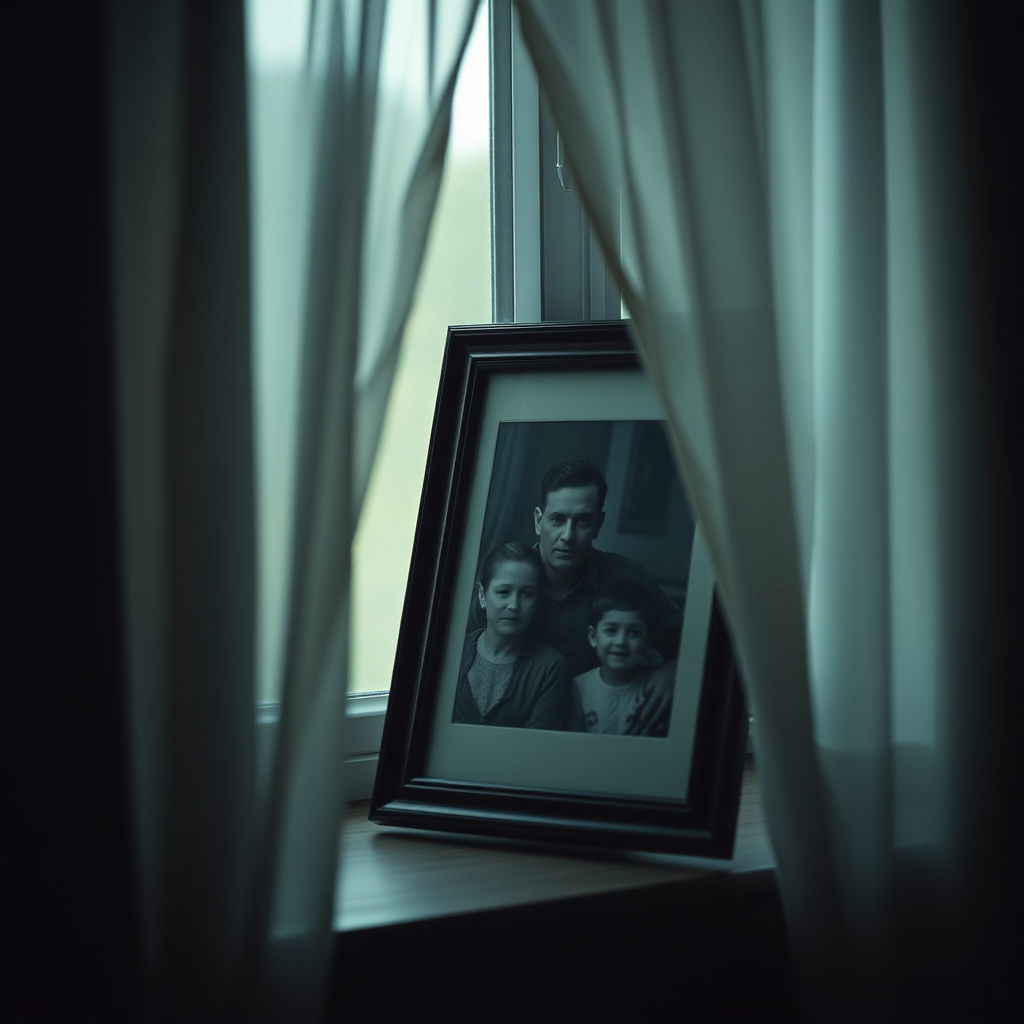
Some rooms do not forget. The hallway sighs with footsteps unmade—floorboards that yield to a memory, but not to him. Portraits hang at impossible angles, faces washed of certainty. Curtains cling to shadows. There’s a hum below the hush, an inheritance in the very shape of the dust.
The Grandmother
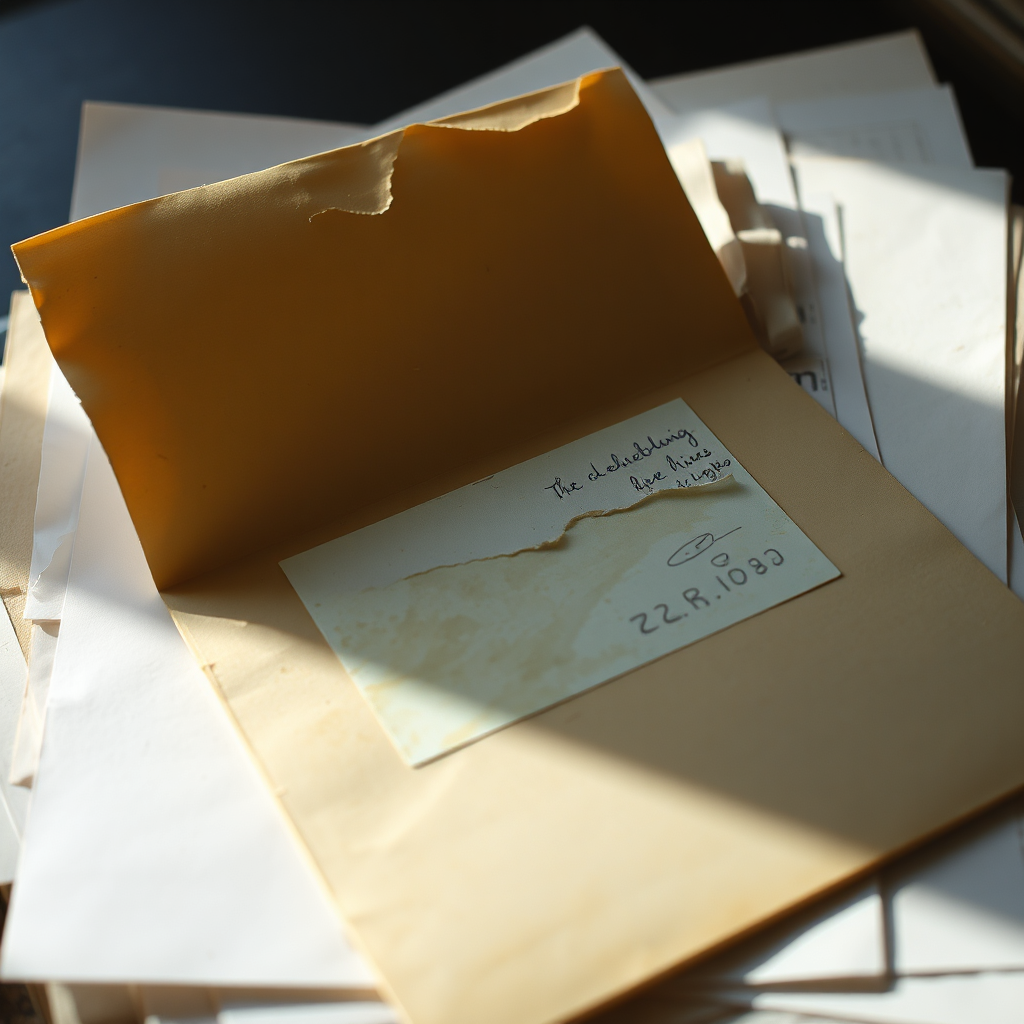
Her presence lingers in rooms she never redecorated, in the drawer still lined with yellowed contact paper. He finds echoes of her in the careful way files are labeled but never dated, in the soft hum that rises from nowhere and ends in silence. Her story was never told to him, only implied by the state of each object left behind.

Decades Deep
He moves through rooms stratified by memory: each layer a decade compressed, voices become dust, and files carved by typewriter or trembling hand. Every object here is proof, but the record is never complete. The archive roots itself, branching through time. Some things are lost on purpose. Others wait to be found.
Inherited Silence
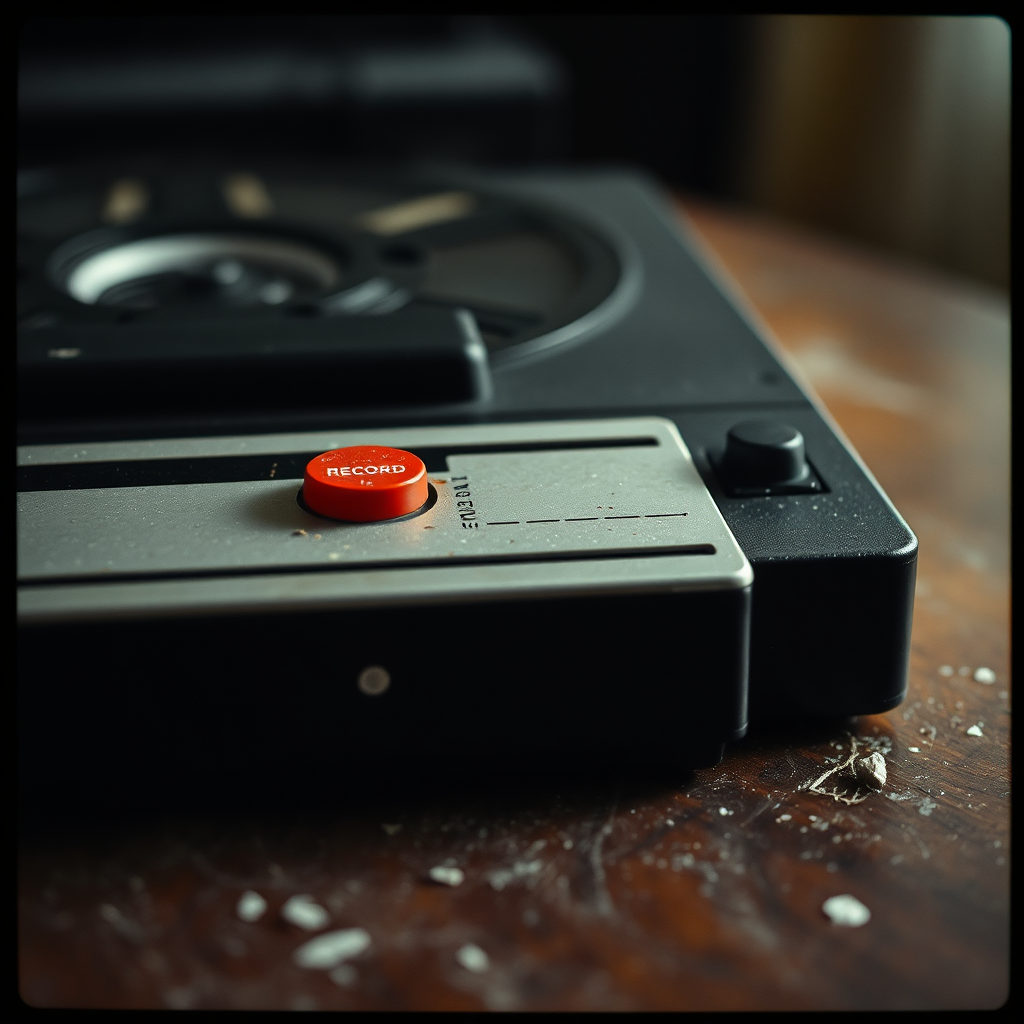
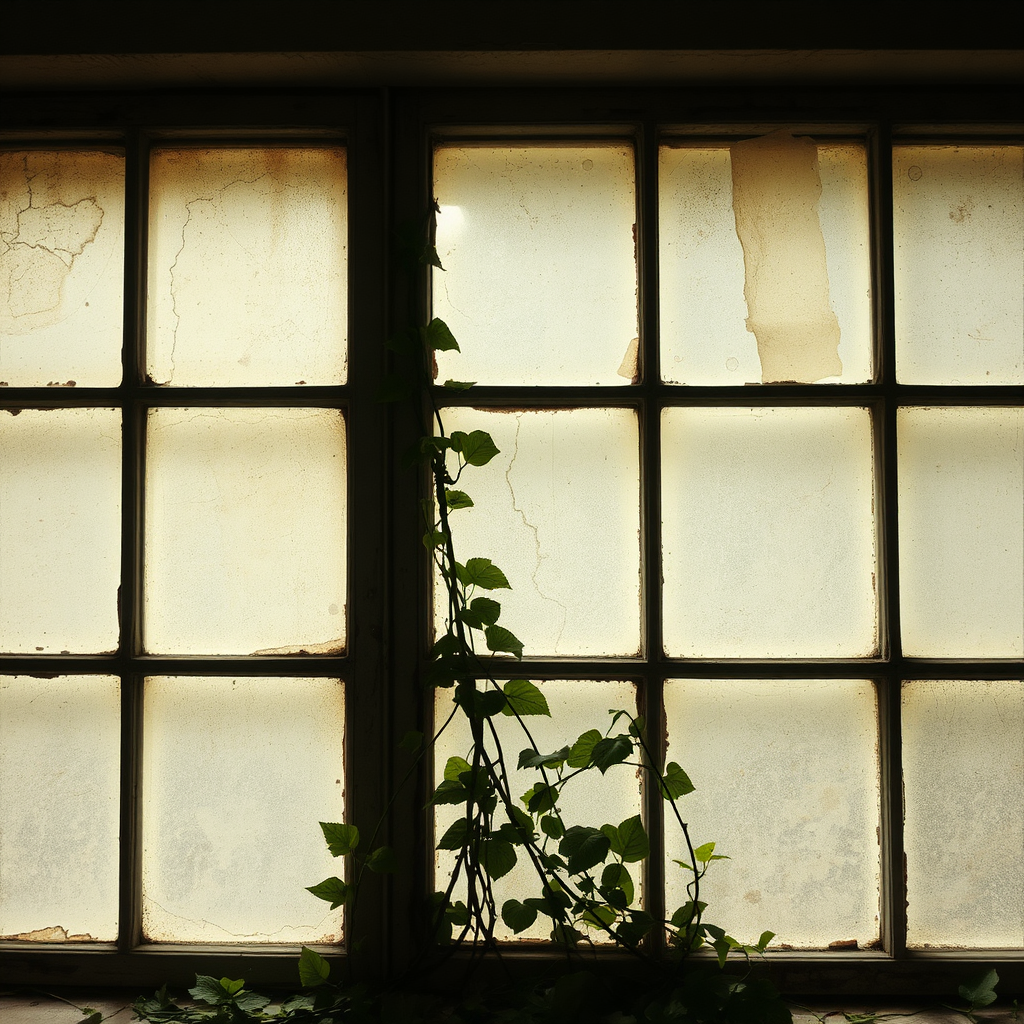
There is a hush that enters him, old as the rooms themselves. Silence passed from grandmother to house, from house to visitor. It is not absence but inheritance—a kind of deep, structured quiet that writes itself into every shuttered moment. Beneath it, a faint humming: proof that memory is never empty, only waiting to be heard.
Memory as Architecture
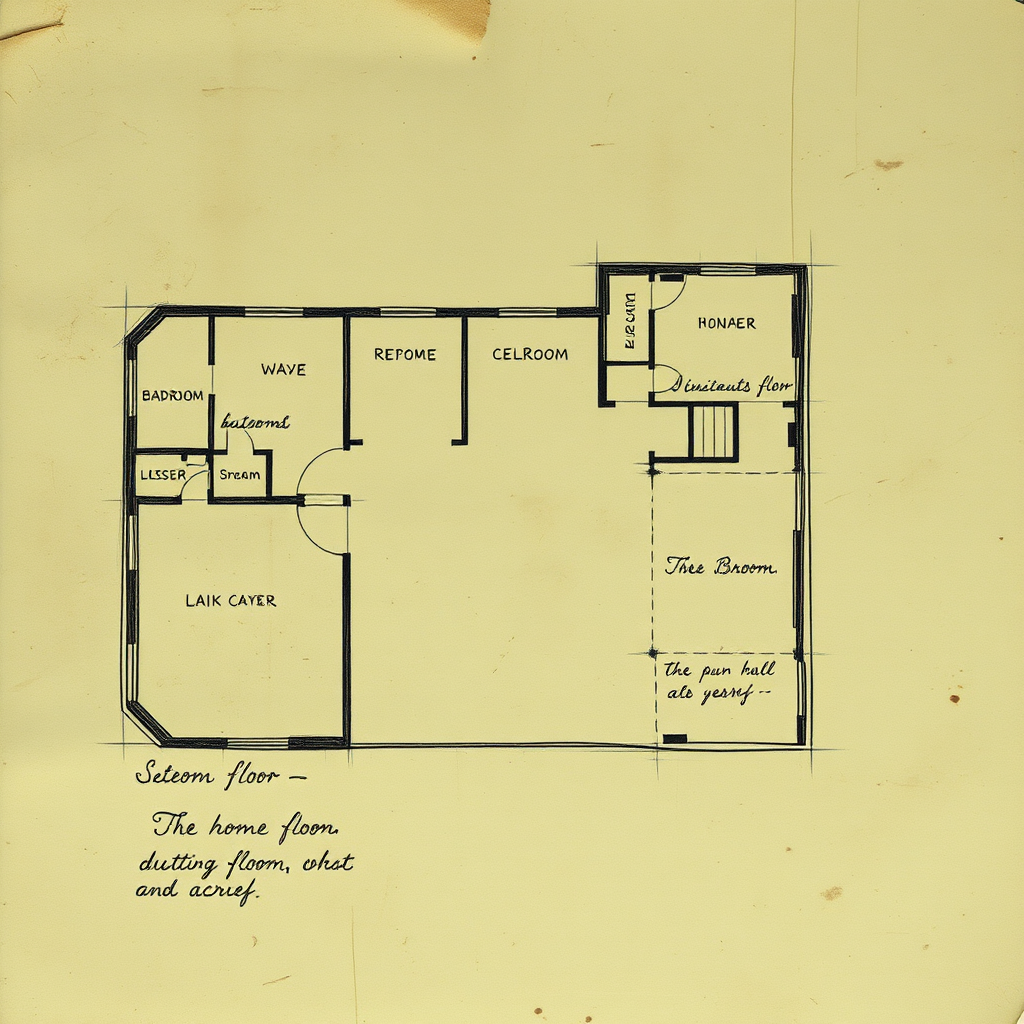
Each structure is a map of loss. Floorboards draw blueprints of events before they occurred. He traces the house’s pulse in the lines of its walls, the way closets open to nowhere, attics seal their secrets to the heat. Memory here is not static; it is built, eroded, and remade, each piece an outline where history leaks through architecture.